

In the UK, mesotherapy is promoted by SoMUK as a safe, evidence-based technique that should only be performed by trained medical professionals.
Mesotherapy is a minimally invasive treatment in which very small amounts of active ingredients are injected into the middle layer of the skin, close to the area being treated. It was developed in France in 1952 by Dr Michel Pistor (1924–2003) and is used today for skin rejuvenation, hair loss and some types of musculoskeletal pain.
Dr Pistor summed up the method in three words: little, rarely and in the right place. Instead of giving a medicine by mouth so that it travels around the whole body, mesotherapy delivers a small dose exactly where it is needed. Mesotherapy is taught in universities in France and is practised by medical professionals in over 60 countries, with over 25 national chapters of the International Society of Mesotherapy. In the United Kingdom, the Society of Mesotherapy of the United Kingdom (SoMUK), founded in 2013 at 22 Harley Street, London, sets professional standards and training for practitioners.
How does mesotherapy work?
The skin has three layers: the epidermis on the surface, the dermis in the middle and the fat layer beneath. Mesotherapy places microinjections in the epidermis and the upper dermis, usually no deeper than a few millimetres. Delivered there, the active ingredients act locally on the surrounding tissue, so much smaller amounts are needed than with tablets or deep injections.
Practitioners use several techniques, chosen according to the area and the goal of treatment:
- Nappage: many very superficial injections across an area, often used for skin quality and the scalp.
- Papule: small blebs of product placed in the upper dermis, used for fine lines and targeted areas.
- Point by point: individual deeper injections at precise points, often used for pain.
Treatment can be given by hand with a fine needle or with a mesotherapy injector (a “meso gun”). Read our clinical guide to mesotherapy injection techniques.
What is injected in mesotherapy?
For aesthetic treatments, mesotherapy solutions usually combine non-cross-linked hyaluronic acid with vitamins, amino acids, minerals, peptides and antioxidants that support hydration and the skin’s own repair processes. In the UK these should be CE-marked or UKCA-marked products, used as their manufacturer intends.
For pain mesotherapy, low doses of conventional medicines are used, prescribed and administered by an appropriately qualified clinician after a medical diagnosis. Mesotherapy does not include the use of steroids.
What does mesotherapy treat?
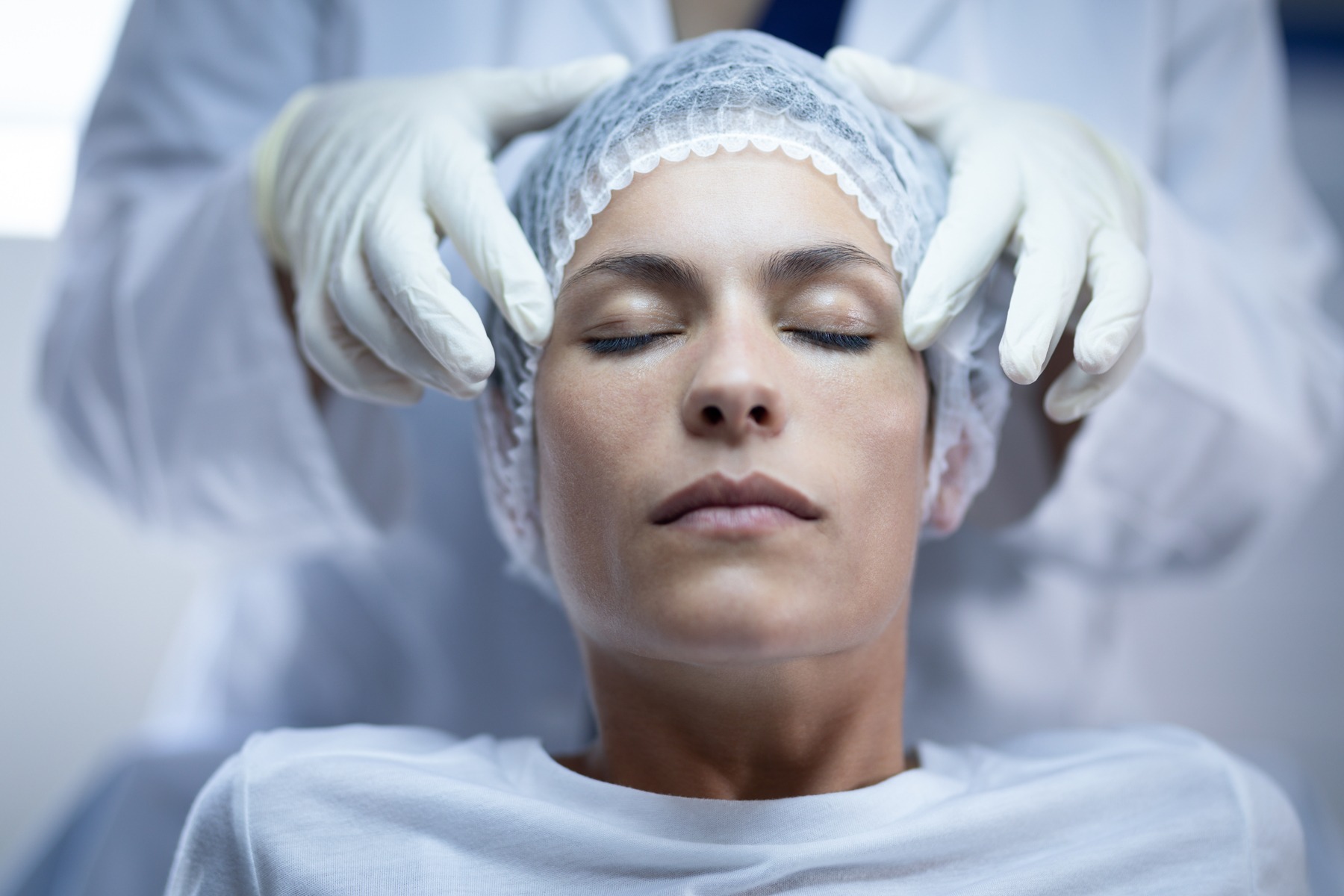
Aesthetic mesotherapy
- Skin ageing of the face, neck, décolleté and hands
- Dull, dehydrated skin: radiance, hydration and glow
- Fine lines, pigmentation and dark circles
- Hair thinning and hair loss
- Cellulite
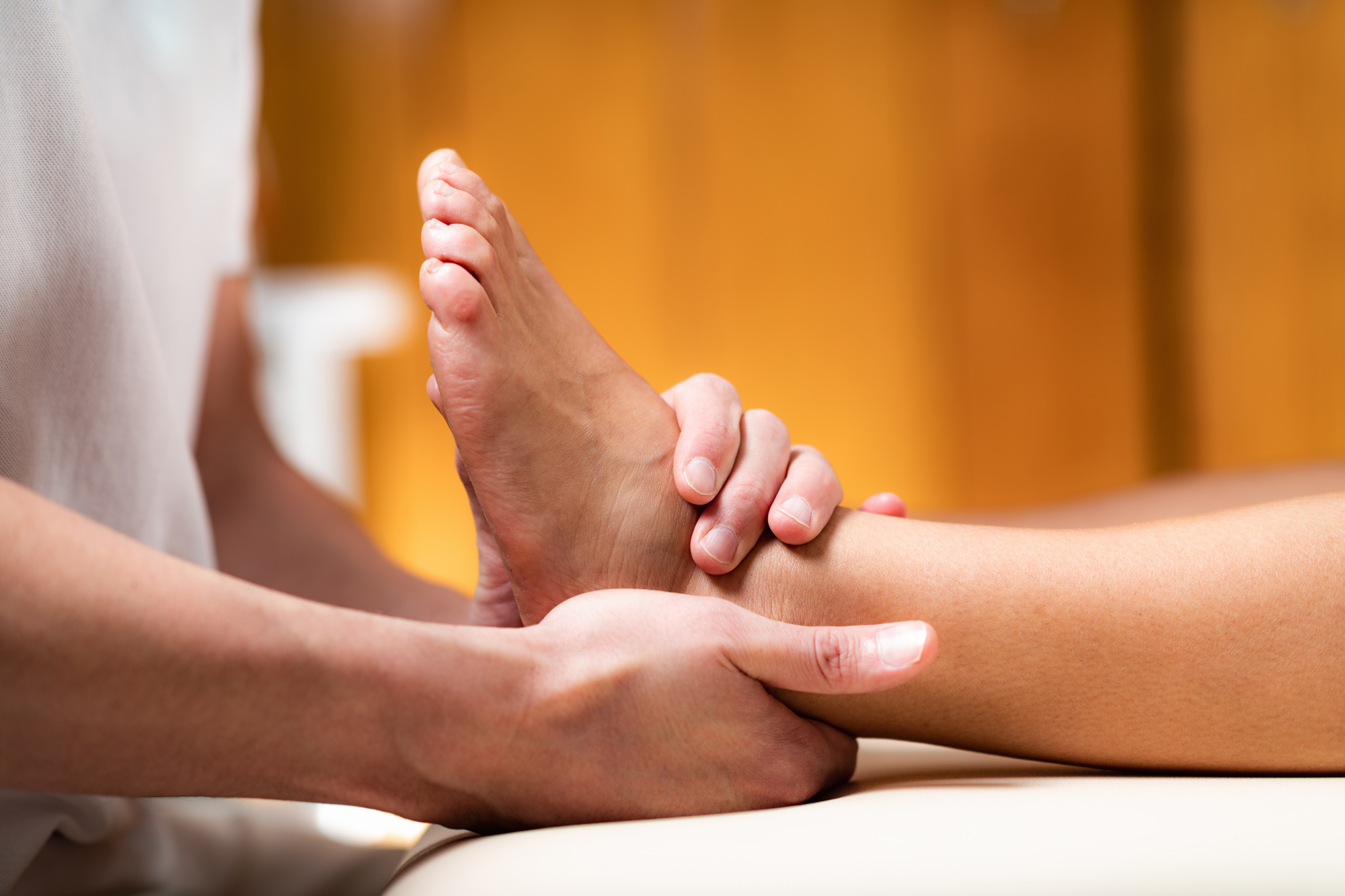
Mesotherapy for pain and sports injuries
- Joint pain, including osteoarthritis
- Back and neck pain
- Tendinitis and sprains
- Hand conditions such as carpal tunnel syndrome and trigger finger
- Pain following fractures, sprains or orthopaedic surgery
Mesotherapy for pain is always part of a medical assessment: the cause of the pain is diagnosed first, using conventional medicine.
What to expect from a mesotherapy treatment
Treatment starts with a consultation: your medical history, the area to be treated, what is realistic and whether mesotherapy is right for you. The skin is cleansed, and a numbing cream may be applied. The injections themselves usually take less than half an hour.
Mesotherapy works gradually, so most people need a course of treatments a few weeks apart, followed by maintenance sessions. Your practitioner will plan the number of sessions with you.
Is mesotherapy safe? Side effects
When performed by a trained practitioner with suitable products and good hygiene, mesotherapy is generally well tolerated. Like any injection, it can cause side effects. The most common are temporary:
- Redness and small bumps at the injection points
- Mild swelling, tenderness or bruising for a few days
Less commonly, infection, allergic reaction or skin irritation can occur. Mesotherapy is not suitable for everyone: for example during pregnancy or breastfeeding, with an active skin infection in the area, or with certain medical conditions and medicines. This is why a medical consultation comes first, and why choosing a trained practitioner matters. Results also vary between people and between conditions.
Mesotherapy compared with other treatments
Mesotherapy is often compared with skin boosters, microneedling, polynucleotides and exosomes. Each works differently, and they are often combined in one treatment plan. Read our newsletter what is the difference between mesotherapy, skin boosters, exosomes and polynucleotides? and our article on combining mesotherapy with other aesthetic treatments.
Who can perform mesotherapy in the UK?
SoMUK members have completed accredited mesotherapy training and hold professional indemnity insurance. To find a practitioner, see the SoMUK Member Directory.
Learn mesotherapy with SoMUK
SoMUK’s official training is delivered by PHP Training Academy at 22 Harley Street, London, and is designed for medical practitioners and advanced aesthetic practitioners. Two one-day courses are available: Aesthetic Mesotherapy Training (CPD certified) and Pain Mesotherapy Training (certificate of attendance). See the next training dates, or become a member for 20% off CPD training with PHP Training Academy.
Mesotherapy: frequently asked questions
Is mesotherapy painful?
Most people describe a mild pricking sensation. A numbing cream can be used for sensitive areas.
How long do mesotherapy results last?
Results build over a course of treatments and are kept up with maintenance sessions. How long they last depends on the condition treated, the person and their lifestyle.
Is mesotherapy the same as microneedling?
No. Microneedling creates tiny channels in the skin to trigger repair. Mesotherapy injects active ingredients into the skin at a controlled depth. The two can be combined.
Does mesotherapy work for hair loss?
Mesotherapy is widely used for hair thinning, and some studies report improvements in hair density. Results vary, and the cause of hair loss should be assessed first.
Where does the word mesotherapy come from?
From the mesoderm, the embryonic layer from which the skin’s middle layer, connective tissue and muscles develop. In French it is mésothérapie.
Mesotherapy in the UK: finding a trained practitioner
Anyone considering mesotherapy in the UK should choose a registered medical professional with accredited training and professional indemnity insurance. The SoMUK directory lists verified members, and practitioners can learn the technique on our aesthetic mesotherapy training and pain mesotherapy training at 22 Harley Street, London. For general advice on choosing a cosmetic practitioner, see the NHS guide to cosmetic procedures.